Analysis • Interviews • Storytelling
Systems are invisible forces that shape our lives.
They influence how we work, access services, and participate in our communities. Yet most people rarely notice them.
They influence how we work, access services, participate in our communities, and solve problems. Yet most people rarely notice them.
Exploring the people, organizations, and communities that shape them.
Exploring the people, organizations, and communities behind them.
SYSTEMS IN FOCUS
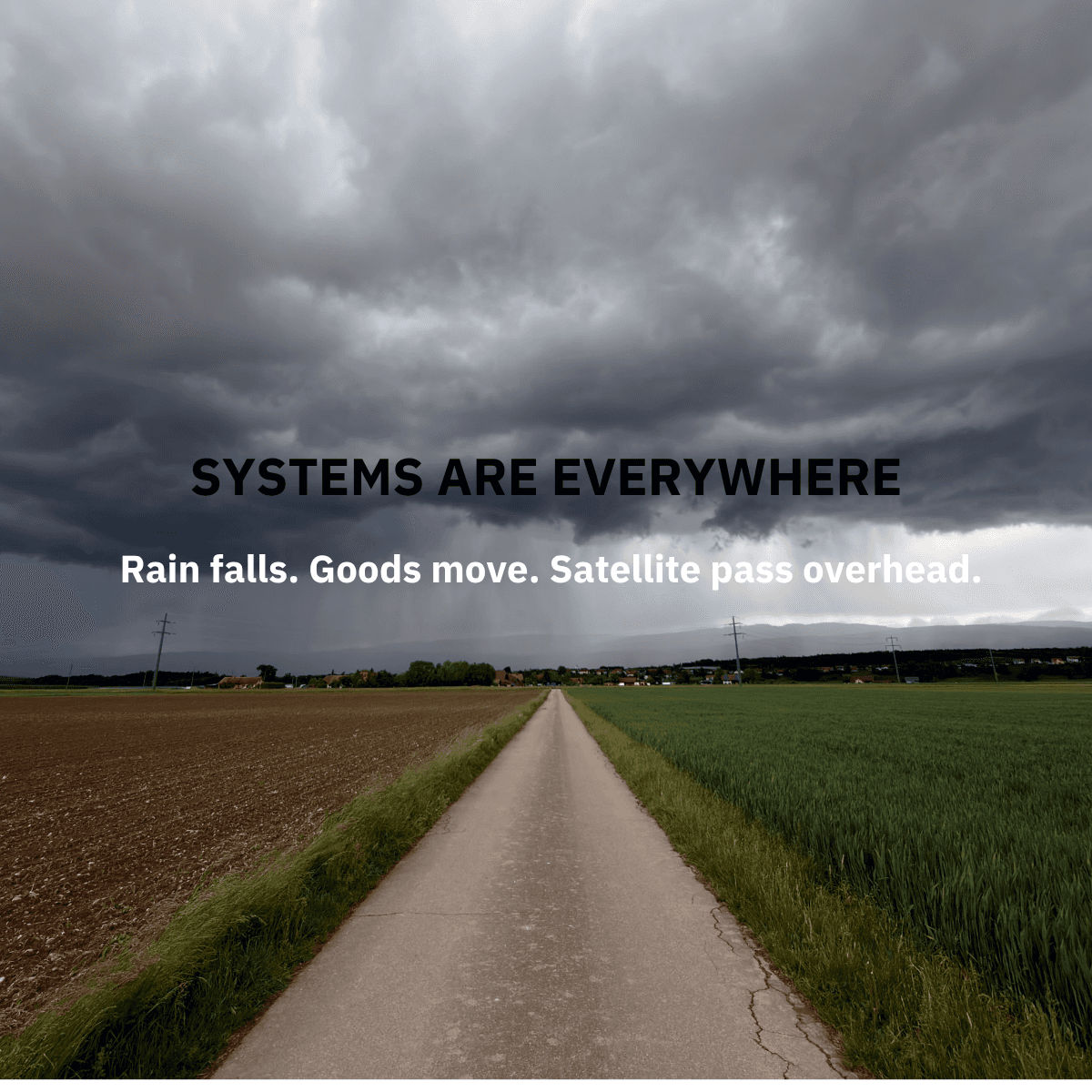
Systems are Everywhere
Rain falls. Goods move. Satellites pass overhead. Most of the time, we barely notice the systems that shape our lives.
Until something goes wrong.
Exploring the systems behind everyday life.
We move through systems every day without giving them much thought. We experience traffic, waiting rooms, and empty shelves, but rarely stop to consider the invisible structures behind them.
A look at the work that happens behind the scenes to connect people with services. From referrals and follow-ups to status checks and information sharing, much of the job involves helping disconnected organizations work together.
When systems don't connect, people fill the gaps. Across healthcare, emergency services, and many other industries, much of the work happens between organizations rather than within them. People become the bridge that keeps information, services, and decisions moving.
Partnerships don’t fix coordination. The work still happens across disconnected systems, so it turns into follow-ups, status checks, and re-sending information just to keep things moving. Not because the work is complex, but because the systems aren’t connected.
Many support systems don't begin when a problem first appears. They begin when the situation becomes severe enough to trigger attention. This video explores why people often enter services later than anyone would prefer.
A referral gets sent. Then nothing happens. So you follow up. I’ve worked across emergency services, including Next Generation 911, healthcare, and rural communities. You start to see the same pattern repeat.
We move through systems every day without giving them much thought. We experience traffic, waiting rooms, and empty shelves, but rarely stop to consider the invisible structures behind them.
Many support systems don't begin when a problem first appears. They begin when the situation becomes severe enough to trigger attention. This video explores why people often enter services later than anyone would prefer.
Partnerships don’t fix coordination. The work still happens across disconnected systems, so it turns into follow-ups, status checks, and re-sending information just to keep things moving. Not because the work is complex, but because the systems aren’t connected.
When systems don't connect, people fill the gaps. Across healthcare, emergency services, and many other industries, much of the work happens between organizations rather than within them. People become the bridge that keeps information, services, and decisions moving.
A look at the work that happens behind the scenes to connect people with services. From referrals and follow-ups to status checks and information sharing, much of the job involves helping disconnected organizations work together.
A referral gets sent. Then nothing happens. So you follow up. I’ve worked across emergency services, including Next Generation 911, healthcare, and rural communities. You start to see the same pattern repeat.
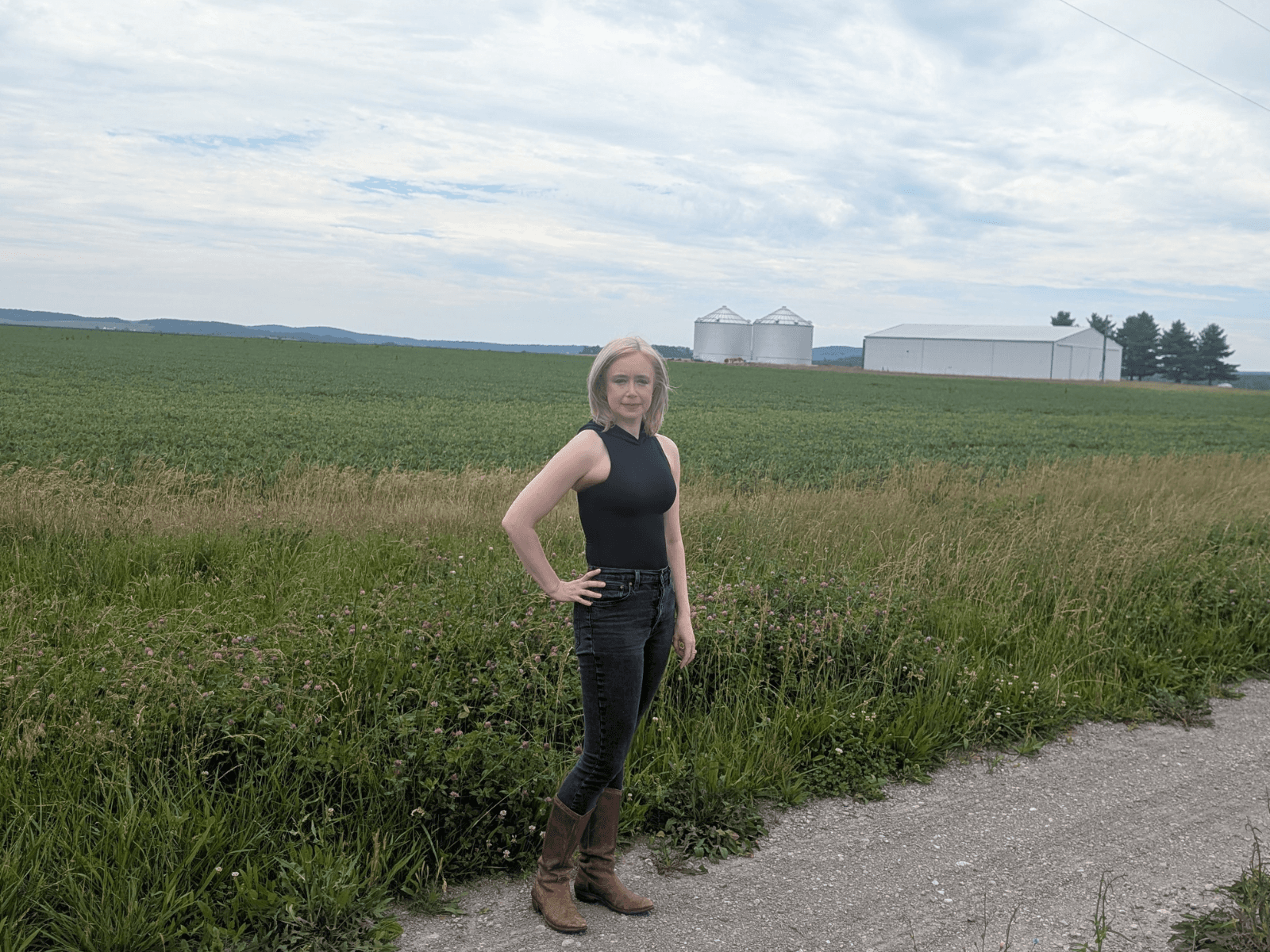
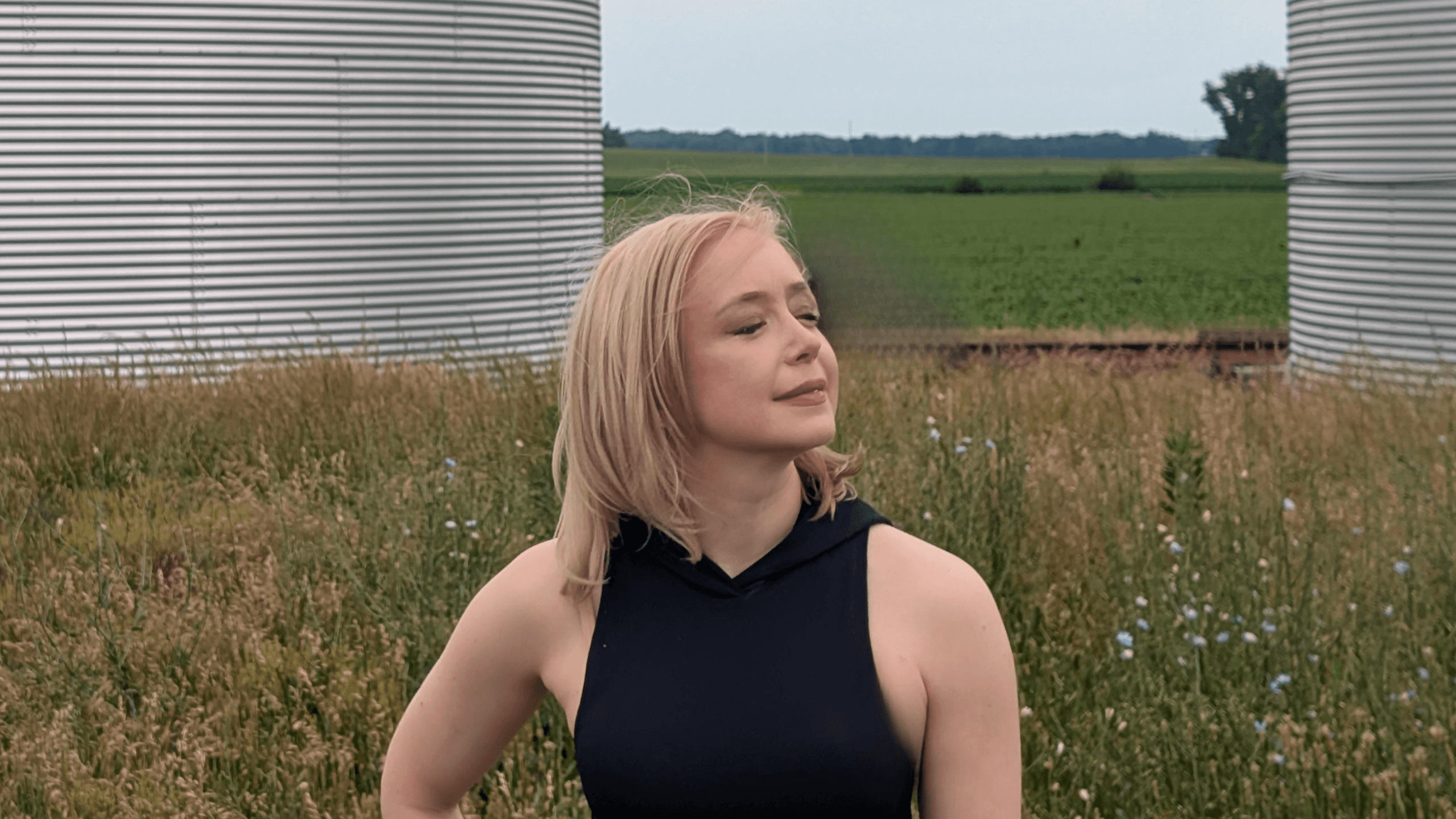
About Maggie Quirk
Maggie Quirk
Systems are invisible forces that shape our lives, yet most people give them very little thought. They influence how we work, access services, and participate in our communities.
Because these systems shape so much of our experience, it's easy to assume they are fixed and inevitable.
My work explores the people who challenge that assumption. Through analysis, interviews, and storytelling, I examine how individuals, organizations, and communities influence the systems around them and create lasting change.
My interest in these questions comes from experience in emergency services, care coordination, research, and strategy, where I saw firsthand how much effort people spend navigating systems that don't always work together.
Today, I explore those questions through essays, interviews, and video storytelling.
Follow along for new essays, interviews, and videos.
Follow along for new essays, interviews, and videos.